

Quick answer. Kundli matching compares two birth charts through the ashtakoot system, scoring eight factors out of 36 gunas. Master Vijay Ram provides the score alongside the deeper Nadi, Bhakoot and Mangal checks, and explains what each result means in practice — because a number on its own has caused a great many unnecessary refusals.
What guna milan measures, and what it misses
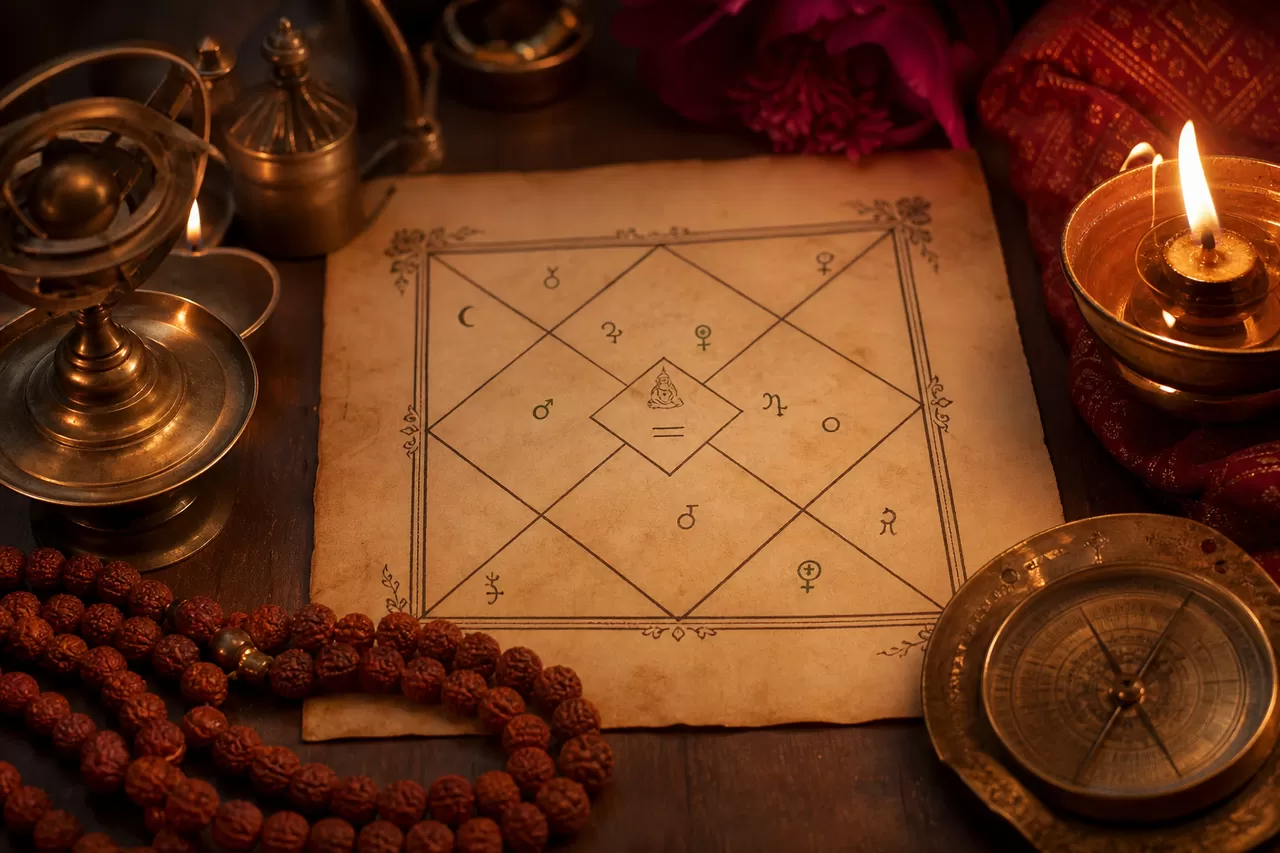
Ashtakoot guna milan assesses eight factors between two charts — varna, vashya, tara, yoni, graha maitri, gana, bhakoot and nadi — and awards up to 36 points. Eighteen is conventionally treated as the threshold for a workable match. It is an old, structured system and it is genuinely useful as a first screen.
It is also routinely misread. A score of 17 gets a family refusing a match that would have been perfectly sound, while a score of 30 gets waved through despite a serious affliction in one partner's seventh house. The number summarises eight specific factors; it does not summarise a marriage.
For that reason every matching done here comes with the deeper checks. Nadi and Bhakoot dosha are examined properly, including the cancellations that traditional texts allow and that a quick software report tends to ignore. Mangal dosh is assessed in both charts rather than declared from one. The seventh house, Venus and the dasha periods running for each partner are read as well.
What you receive is the score, the doshas, the cancellations that apply, and a plain-language explanation of which findings genuinely warrant attention. Where remedies are appropriate they are prescribed; where a family has been alarmed by a report that overstated things, that is said just as clearly.
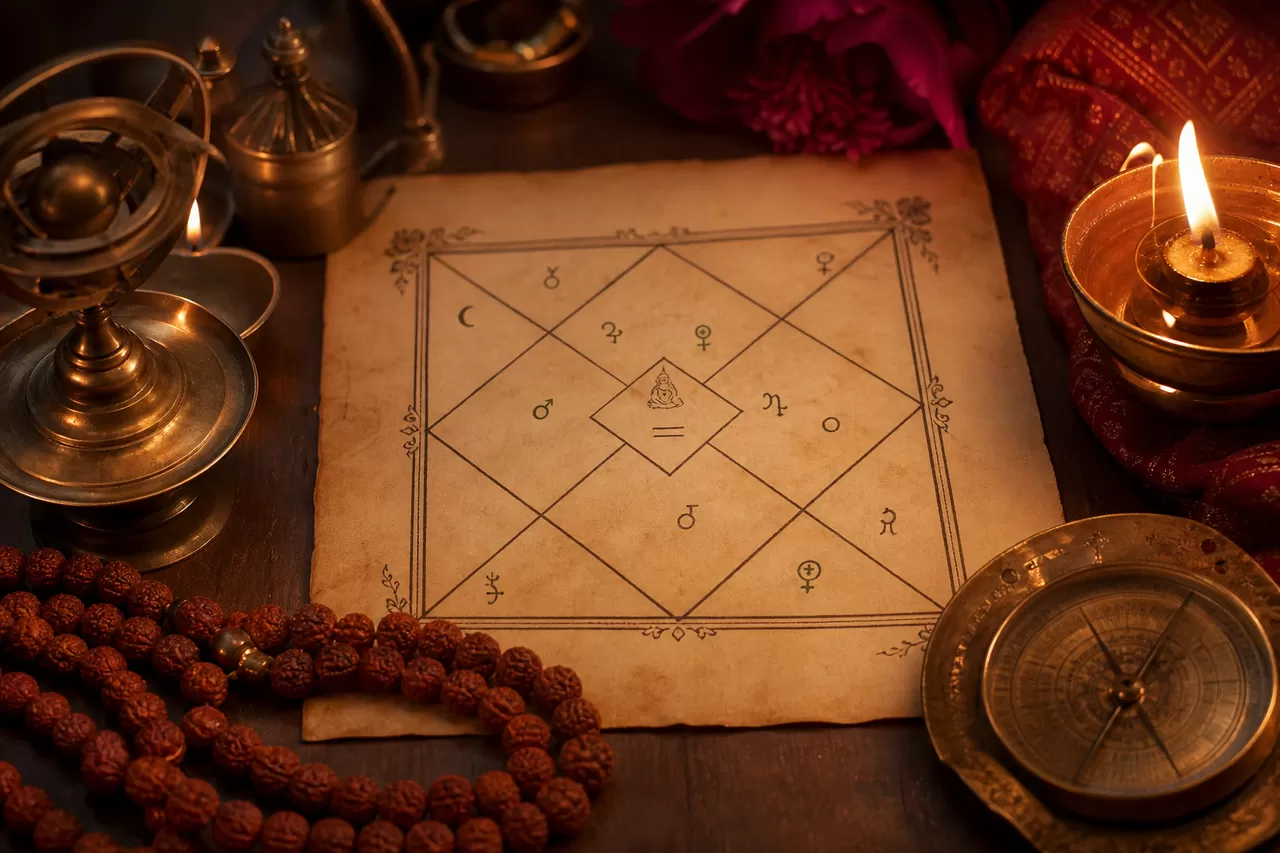
A clear, caring path
How a matching is carried out
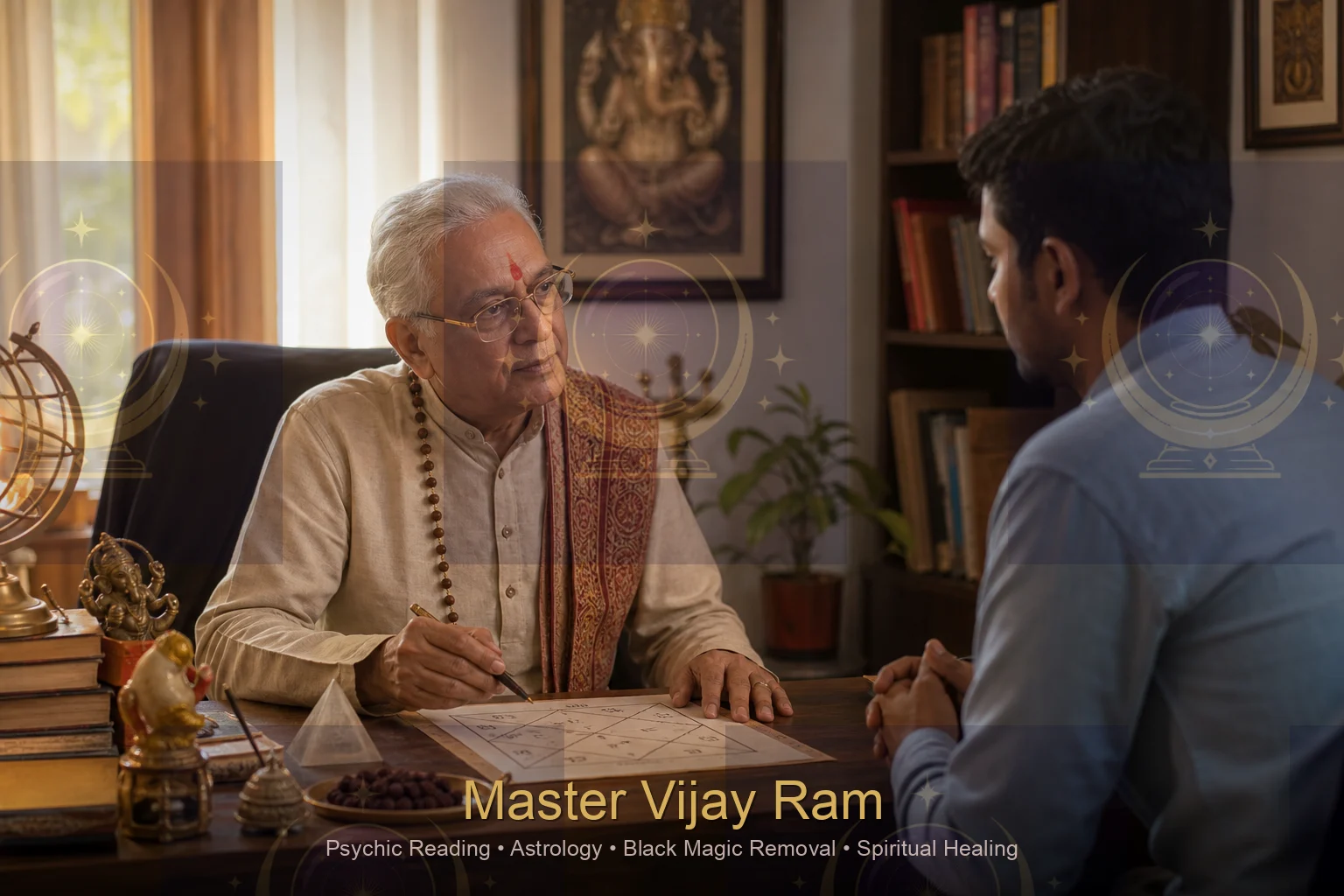
A matching casts both kundlis accurately, scores the eight koots out of 36 gunas, then checks the Nadi, Bhakoot and Mangal factors separately and explains what the number actually means. The score is the beginning of the assessment, not the end of it.
Cast both kundlis accurately
Birth date, time and place for both people are cast into full charts. Accuracy of birth time matters here more than anywhere else, since several koots depend on the Moon's precise position.
Score the eight koots
The ashtakoot system is worked through factor by factor, producing the 36-point score along with a record of exactly where points were gained and lost.
Check doshas and explain the result
Nadi, Bhakoot and Mangal dosh are examined with their permitted cancellations, and you are told in plain terms what the findings mean and which, if any, need remedy.
At a glance
The eight koots and what each weighs
Two of the eight carry 15 of the 36 points between them, which is why a score can collapse on a single factor while everything else matches well.
| Koot | Points | What it compares |
|---|---|---|
| Nadi | 8 | Constitution and health of any children — the heaviest single factor |
| Bhakoot | 7 | Prosperity and the general welfare of the household |
| Gana | 6 | Temperament — the broad nature of each person |
| Maitri (Graha Maitri) | 5 | Mental and emotional affinity between the two |
| Yoni | 4 | Physical compatibility |
| Tara, Vashya, Varna | 6 combined | Fortune, mutual influence and general disposition |
Do any of these sound familiar?
When families ask for a matching
Both arranged and love matches are handled the same way here.
- A marriage proposal is being considered and both charts are available
- A previous matching came back low and the family has refused
- Someone has been told they are Manglik and nobody has explained it
- You want an independent reading of a report you were given elsewhere
- A love match needs matching before families will discuss it
- A wedding is planned and you want the doshas checked properly first
Your questions, answered
Kundli Matching — your questions answered
No. Eighteen is a conventional threshold, not a rule, and many settled marriages score below it. What matters more is which koots were lost, whether a dosha is genuinely present, and whether cancellations apply. A low score is a reason to look closer, not to refuse.
Automated reports usually apply the koot scoring and stop there, without checking the cancellations that classical texts allow for Nadi, Bhakoot and Mangal dosh. They also cannot weigh the seventh house or the dasha periods. That is where most of the difference comes from.
Traditional remedies exist for several doshas and are prescribed where the chart genuinely warrants them. What Master Vijay Ram will not do is invent a dosha in order to sell a remedy for it — a practice common enough that many clients arrive having already encountered it.
A matching is usually returned within a day or two once both sets of birth details are supplied. Where a birth time is uncertain, rectification is needed first and that adds time.
Yes. The chart is calculated from birth details rather than read in person, so phone, video and WhatsApp consultations work exactly as well. In-person sessions are held at 24 Richmond Ave, Kitchener.