

Quick answer. Vastu shastra is the traditional Indian science of building and placement, working with direction, proportion and the five elements. A consultation assesses your home or business against vastu principles and prescribes corrections — most of which involve placement and use rather than construction.
Vastu applied to houses that were not built for it
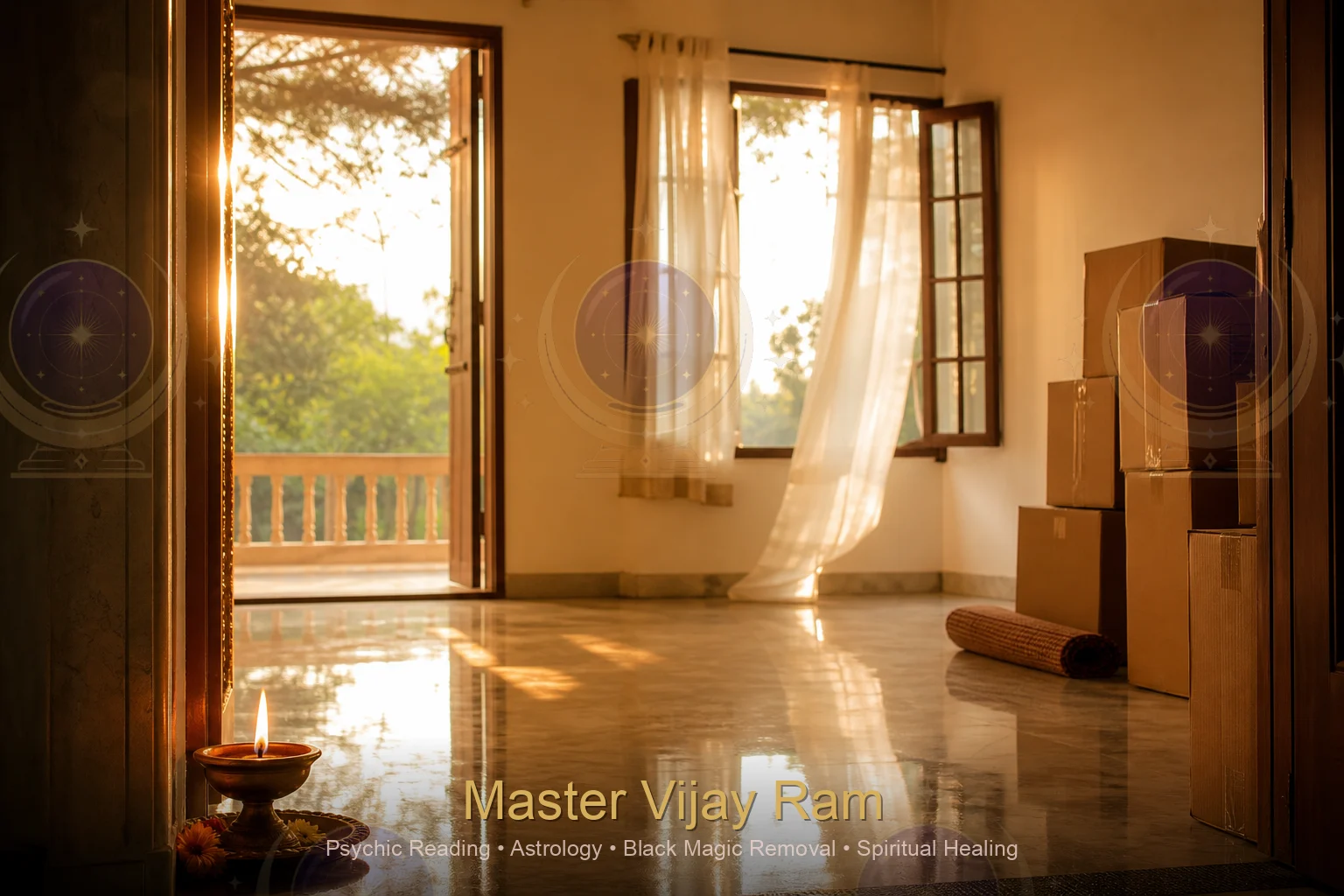
Almost no house in Ontario was built with vastu in mind, and a consultation that begins by telling you the entrance faces the wrong way is not much use when the entrance cannot be moved. The practical question is always what can be adjusted, and in most homes a good deal can.
The framework works from the eight directions and the five elements. North-east is associated with water and is kept light and uncluttered; south-east with fire, which is why kitchens are placed there; south-west with earth and stability, which suits the main bedroom and heavy storage; north with wealth and opportunity. Each direction has uses that suit it and uses that work against it.
In practice most corrections are simple. Moving where you sleep within a room, relocating a mirror, changing which room is used as a study, clearing a north-east corner that has become a storage area, adjusting where the safe or the cash box sits. These cost nothing and are the bulk of what a typical consultation recommends.
Where a genuine structural conflict exists — a toilet in the north-east, a kitchen in the wrong corner — the consultation is honest about it. Some conflicts can be substantially offset with placement, colour, light, salt, plants or a yantra. Others cannot be fully resolved without work you may not want to do, and in that case you are told the size of the effect rather than sold a remedy that pretends to erase it.
A clear, caring path
How a vastu consultation runs
A vastu consultation establishes the layout and true orientation of the property, assesses each direction against vastu principles, then prescribes corrections in priority order. Most corrections concern placement and use rather than construction, and are given with the reasoning behind them.
Establish the layout and orientation
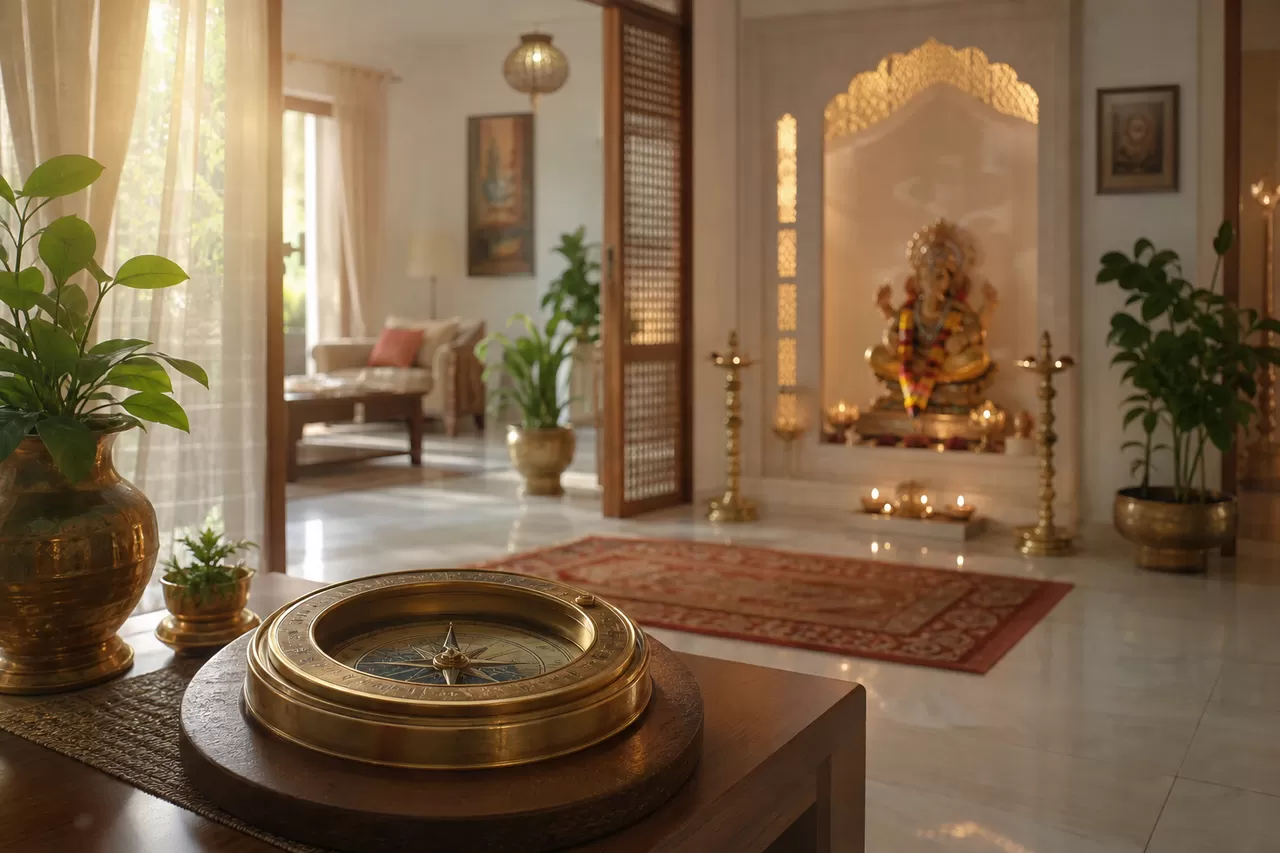
A floor plan and compass orientation are needed, along with photographs or a visit. Room use, entrances, water sources and heavy storage are all recorded.
Assess direction by direction
Each zone is examined against its element and traditional use, identifying where the current arrangement supports the household and where it works against it.
Prescribe corrections in order
You receive a list ordered by impact and by ease — the free changes first, then those with modest cost, and an honest note on anything that cannot be fully corrected.
At a glance
The three kinds of vastu correction
Corrections are prescribed in this order. Structural work is a last resort, not a starting point.
| Type of correction | What it involves | Typical cost | When it is prescribed |
|---|---|---|---|
| Placement | Moving furniture, mirrors, water features, heavy storage or a bed to a different wall or room | None | First. The majority of corrections in a typical consultation |
| Usage | Changing what a room is used for — which room sleeps, which cooks, which stores | None | Where placement alone cannot resolve a directional conflict |
| Structural | Altering an opening, a wall or a fixed installation | Varies; requires a contractor | Last resort, and only where the effect genuinely justifies the work |
Do any of these sound familiar?
When a vastu consultation helps
In-person visits in Kitchener, Waterloo, Cambridge, Guelph and Brantford; remote assessment elsewhere.
- The household has been unsettled since moving into this home
- You are buying a property and want it assessed first
- Sleep is poor in one particular room
- A business has slowed since relocating to new premises
- Money seems to leave the household faster than it should
- You are renovating and want the layout checked before work begins
Your questions, answered
Vastu Consultation — your questions answered
Almost never. The large majority of corrections in a typical consultation are placement and usage changes that cost nothing. Structural work is a last resort and is only ever raised where the effect is genuinely significant.
The directional principles are the same anywhere. What differs is the housing stock — basements, attached garages, open-plan layouts and heating arrangements that traditional texts never contemplated. Those are handled practically, which is what forty years of applying this outside India tends to teach.
Yes, with a floor plan, compass orientation and photographs. In-person visits are available across Kitchener, Waterloo, Cambridge, Guelph and Brantford, and are better where the layout is complicated.
An in-person assessment of an average home usually runs two to three hours, longer for a larger property or a commercial unit. A remote assessment from plans and photographs is typically returned within a few days.
Yes. Placement and usage corrections need no permission and leave no trace, which is why they are prescribed first. Nothing requiring a landlord's consent is recommended for a rental unless you ask for it specifically.