
"I don't know my exact birth time" is one of the most common things people say when booking, usually apologetically, as though it disqualifies them. It does not — but it does change what can be read reliably, and it is worth understanding why, because the difference between a chart built on a good time and one built on a guess is larger than most people expect.
Why a small error changes everything
The ascendant moves a degree every four minutes. Get the time wrong by ninety minutes and you may have the wrong rising sign entirely.
The planets barely move in an hour. The ascendant does — about one degree every four minutes, a full sign roughly every two hours.
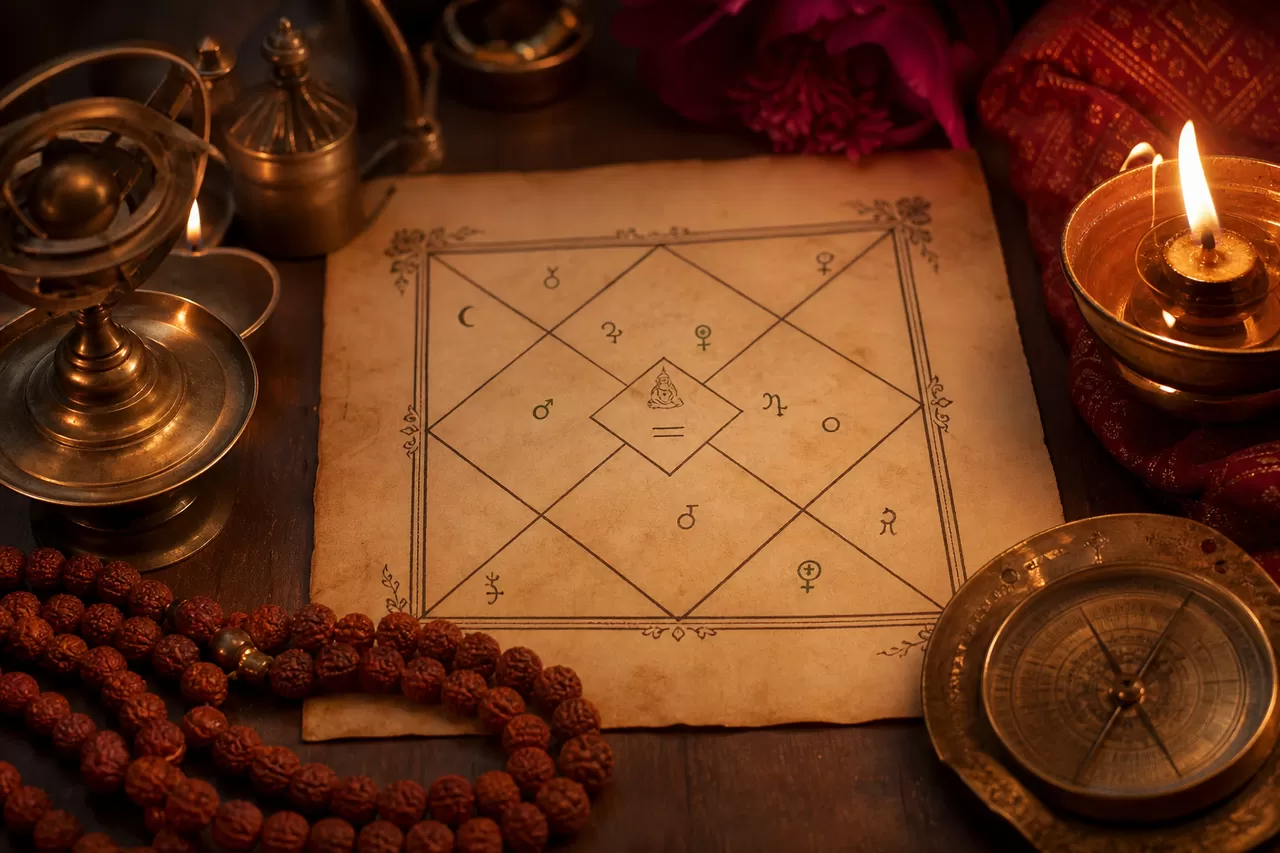
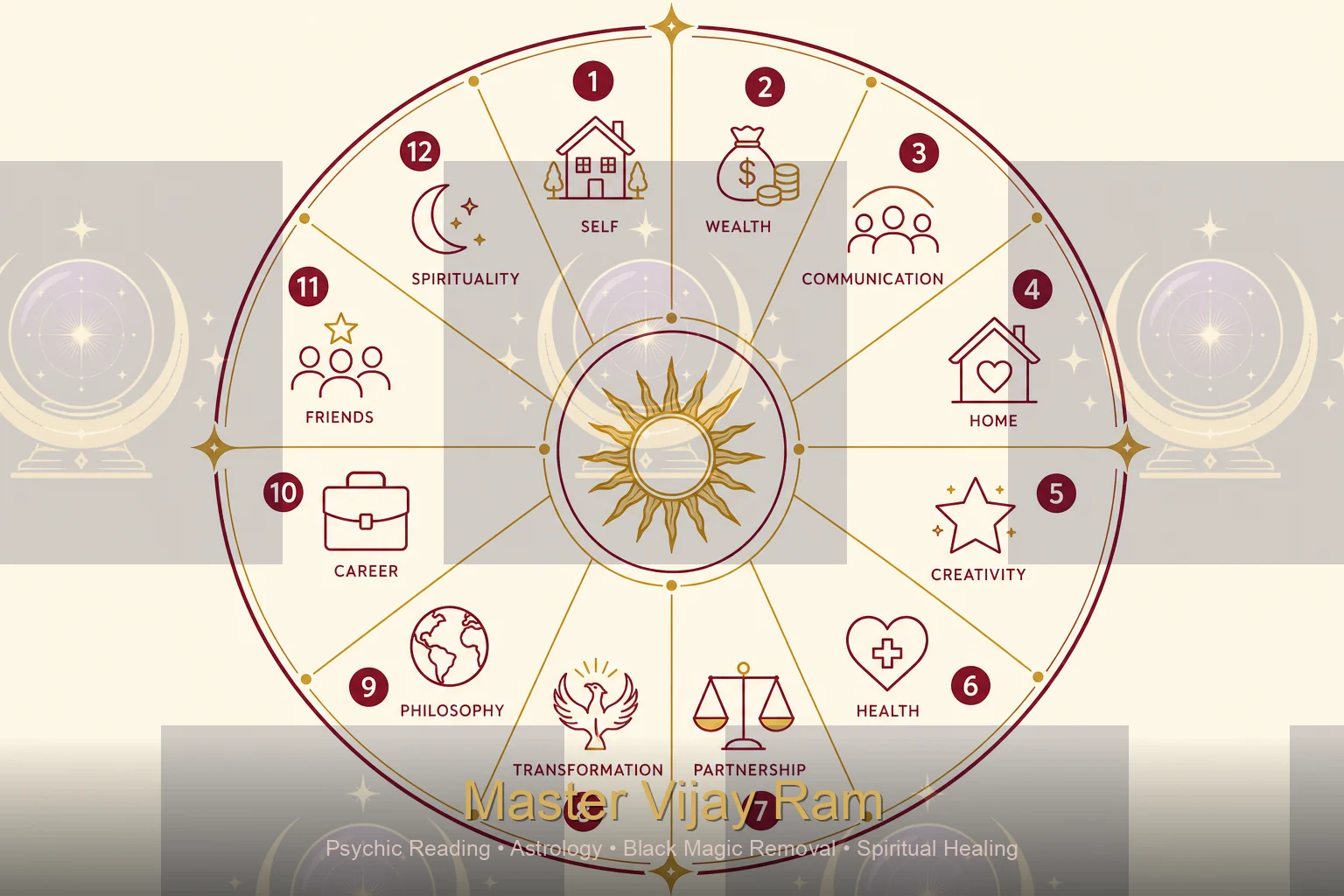
Since the ascendant sets where the first house begins, and every other house follows from it, an error of ninety minutes can rotate the entire house structure. Planets that should sit in the seventh house land in the sixth. The tenth house acquires a different ruler. Every conclusion drawn from house placement becomes unreliable — and house placement is where most of the interesting content lives.
This is why a reading built on a guessed time can be confidently wrong. Nothing in the chart announces the error; it simply produces a coherent reading of somebody else's life.
What is still readable without a time
Planetary positions in signs, most of the dasha sequence, and the Moon's sign in most cases. House-based conclusions are what suffer.
It is worth being clear that an unknown time does not mean nothing can be read.
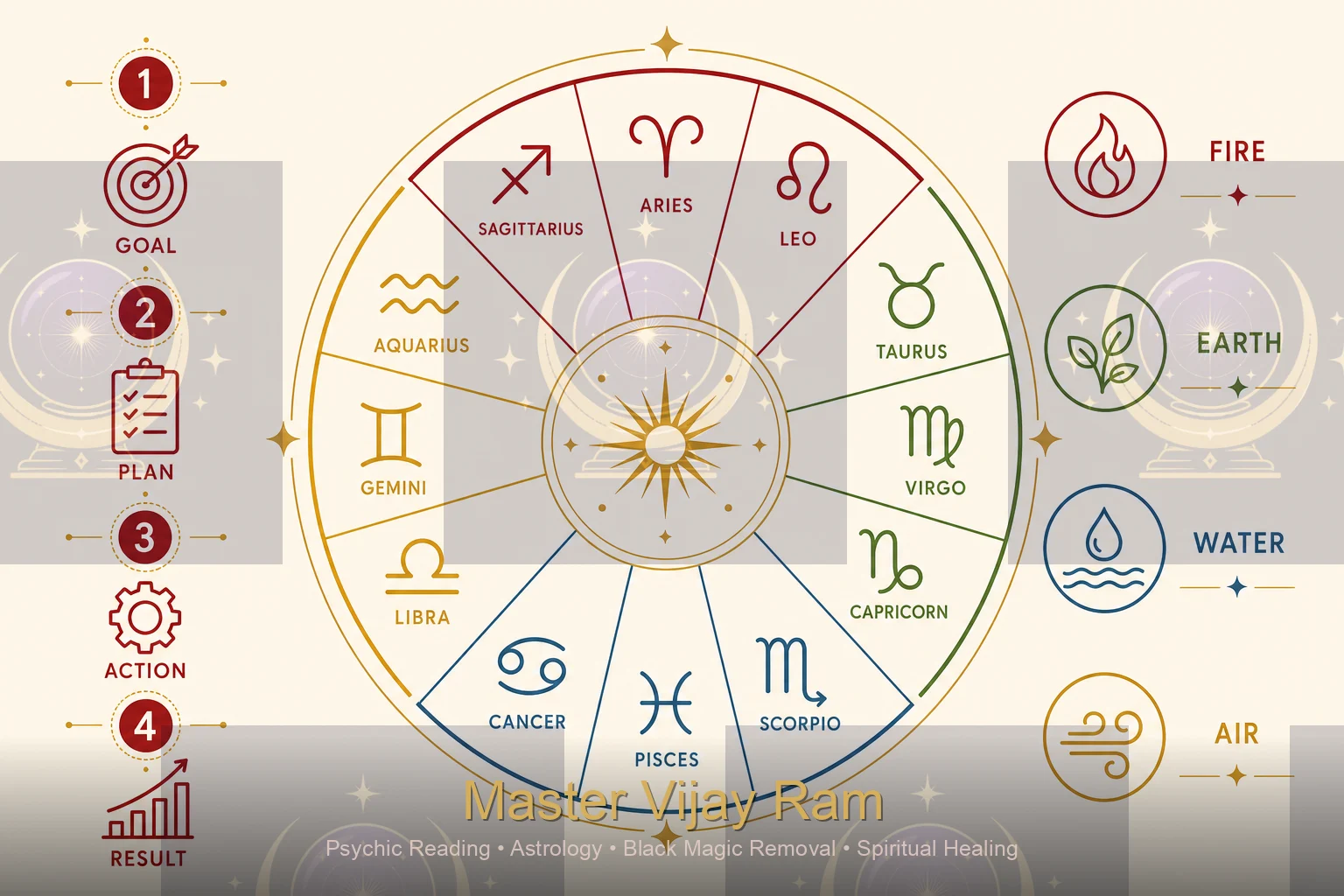
Planetary sign placements are stable across a day for everything except the Moon, which moves about half a degree an hour — so unless you were born near a sign boundary, the Moon's sign is usually determinable. The dasha sequence depends on the Moon's nakshatra, which is often establishable within a day's range.
What becomes unreliable is anything resting on houses: marriage timing from the seventh, career from the tenth, children from the fifth. And the divisional charts, which subdivide each sign further, become effectively unusable — the navamsa splits each sign into nine parts, so a small error moves planets between divisions entirely.
Palmistry sidesteps the whole problem and needs no birth data at all, which is why it is often the sensible starting point for someone with no recorded time.
How rectification actually proceeds
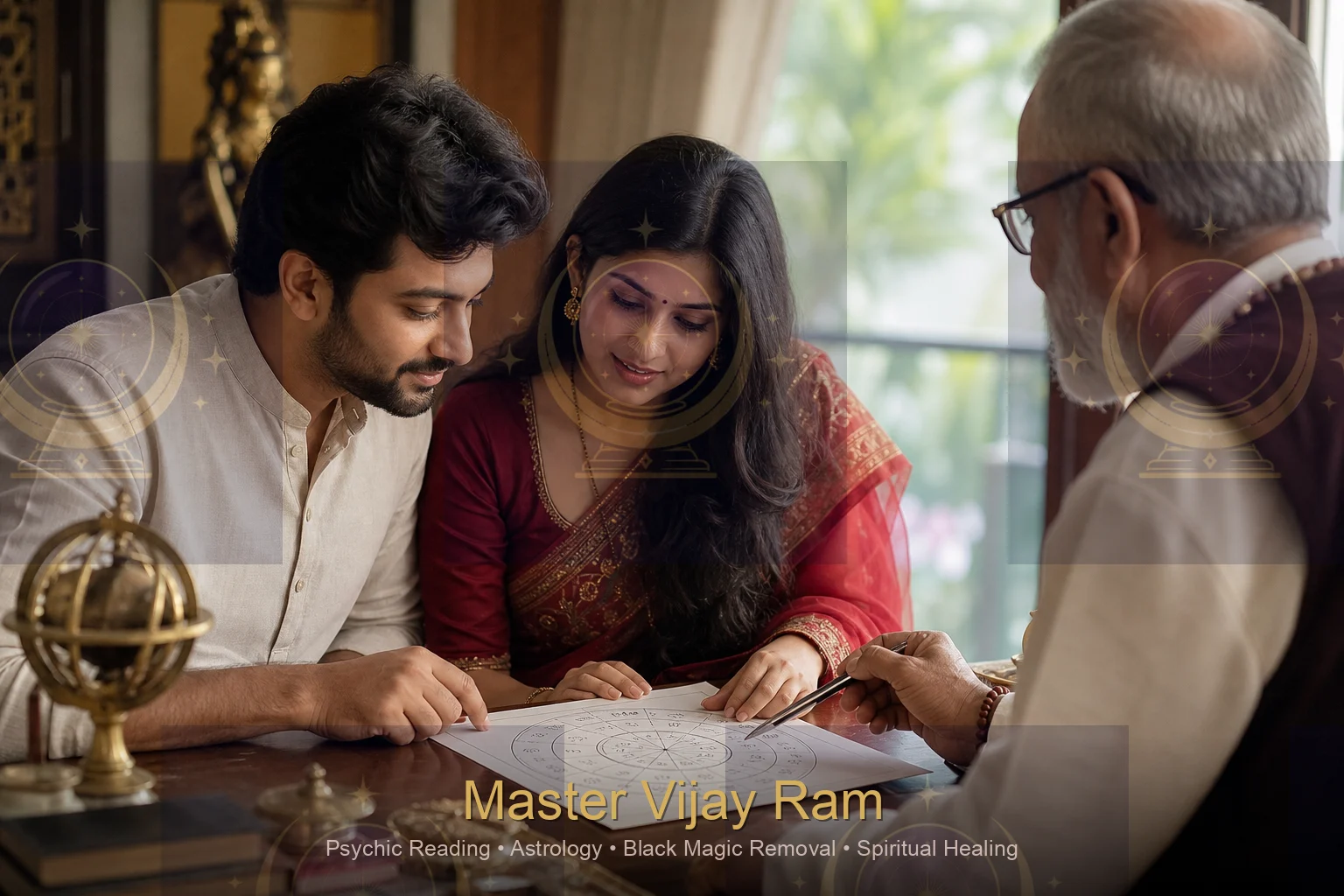
You supply dated life events. Candidate charts are tested to see which produces dasha periods and transits that match what actually happened.
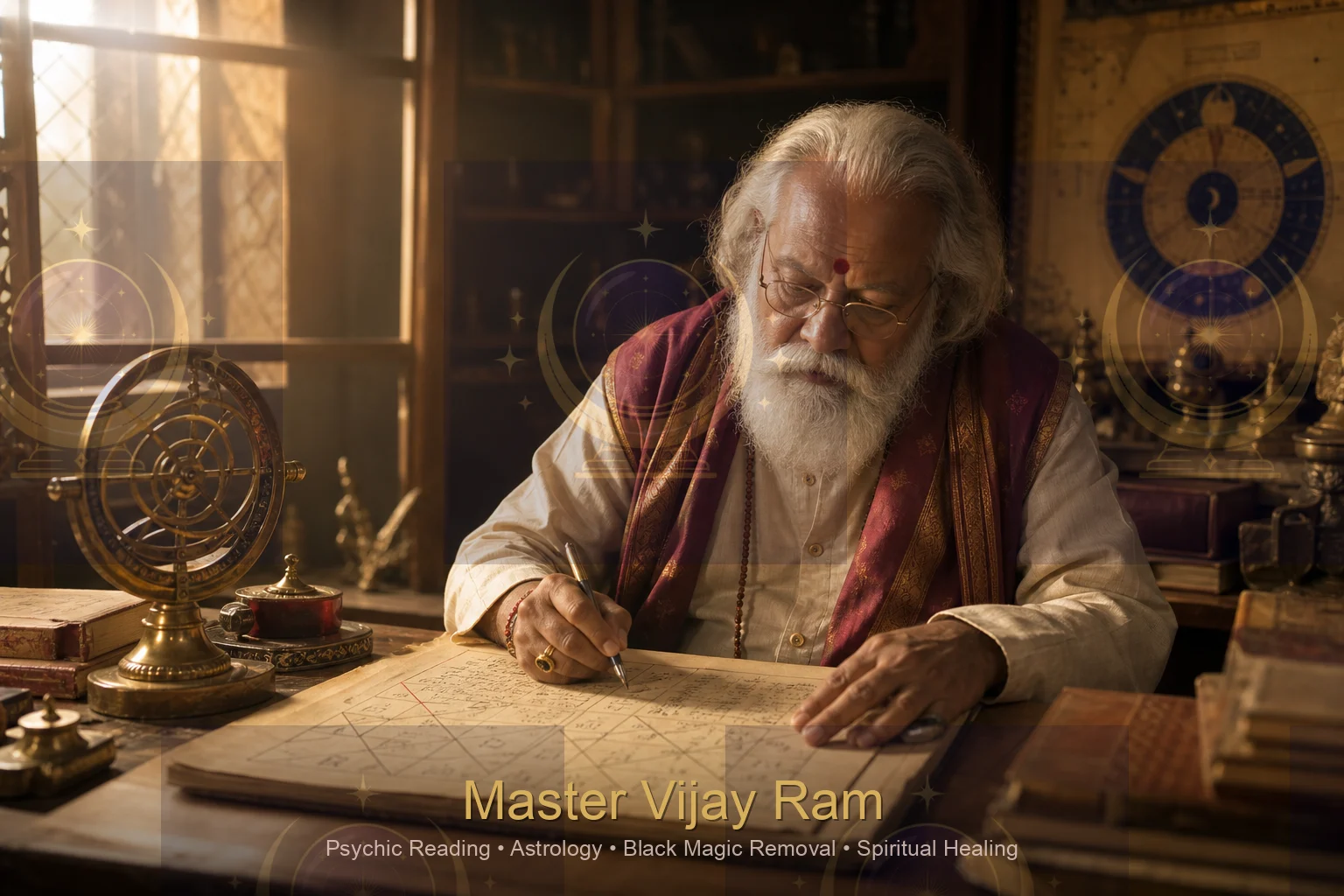
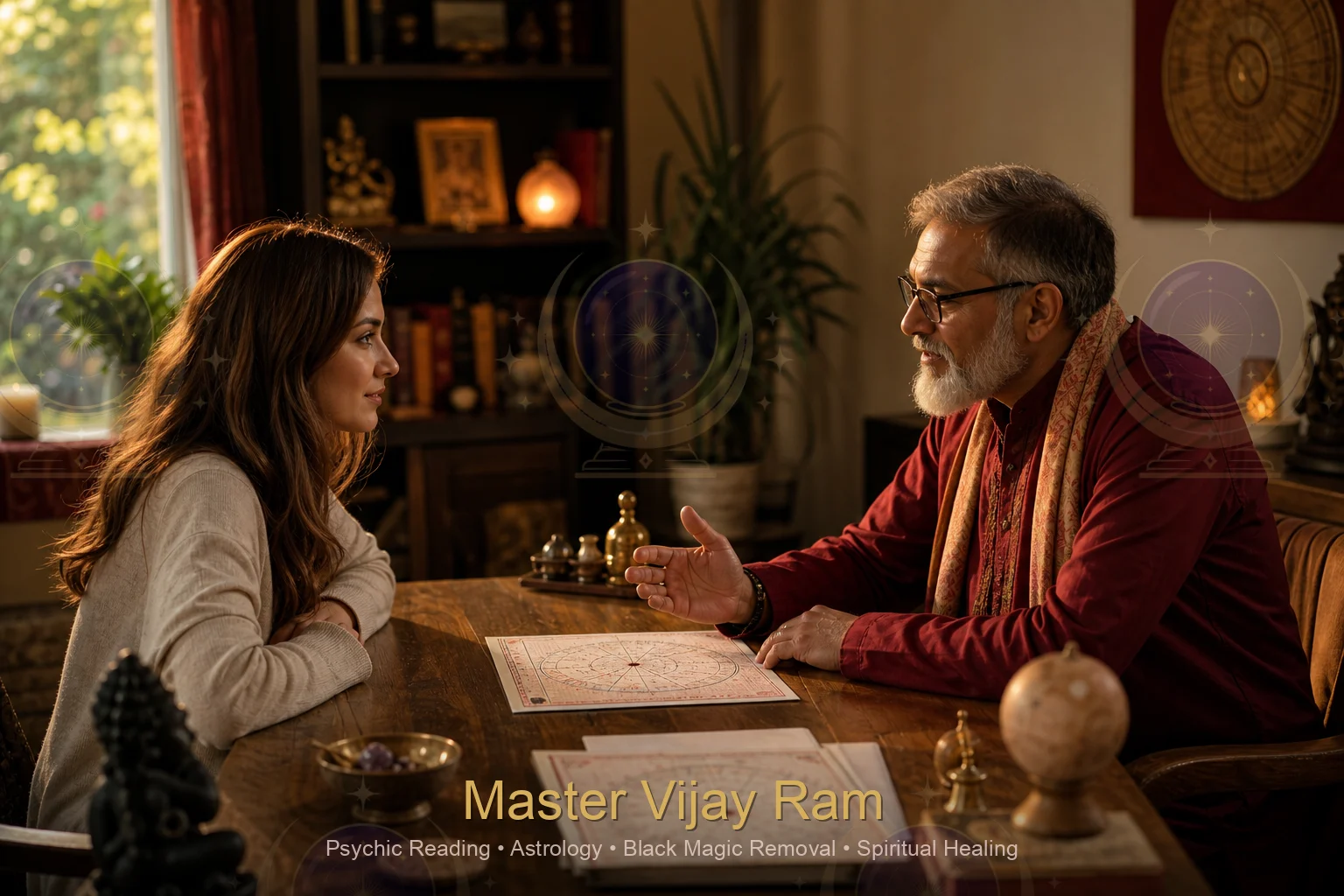
Rectification works backwards from your life. You supply dated events — marriage, births of children, bereavements, job changes, relocations, serious illness or accident, a major financial change. Eight to ten well-dated events is a good working number.
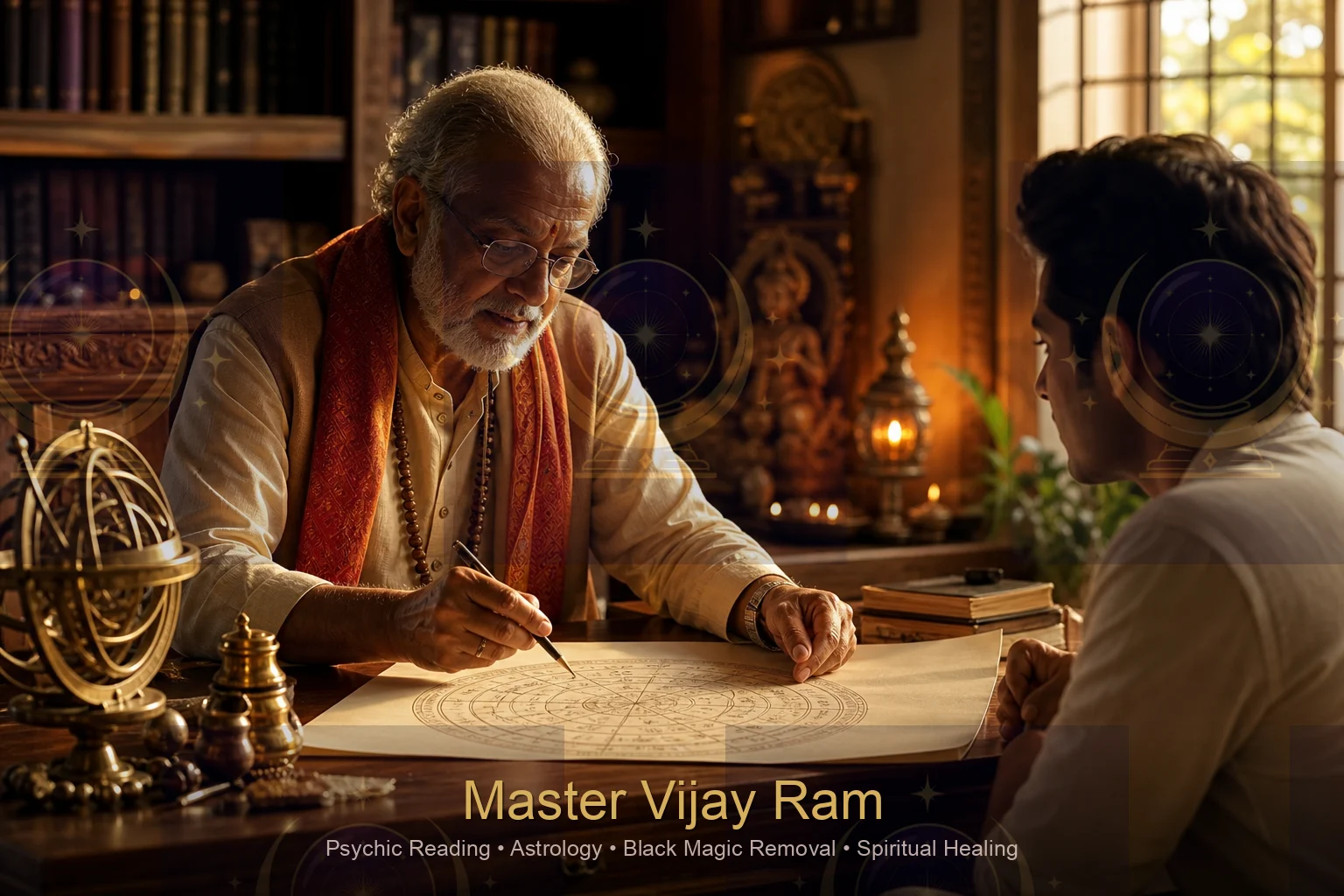
Charts are then cast across the plausible time range, and each is tested: does this chart's dasha sequence put a Venus period around the marriage? Does the difficult stretch in the mid-thirties correspond to a Saturn transit over the relevant house? Does the relocation fall where the chart would predict a fourth-house disturbance?
The time that best fits the events you have already lived becomes the working time for reading what is ahead. It is evidence-based rather than intuitive, and it is checkable — you can see why a particular time was chosen.
The honest limits
It produces a well-supported estimate, not a certainty. Sometimes it narrows to minutes; sometimes only to an hour or two.
Rectification is honest work with a real limit, and it should be stated rather than glossed.
It produces an estimate. In good cases — many clearly dated events, a life with distinct turning points — the time can be narrowed to within a few minutes and the ascendant established with confidence. In others, where the events are few or vaguely dated, it may only narrow to within an hour or two, which still leaves the ascendant uncertain if the birth fell near a sign boundary.
What you should receive is the working time and the confidence attached to it. A practitioner who produces a precise minute from three vague events and presents it as established is manufacturing precision, and everything built on it inherits the error.

Where to look before paying for rectification
Birth certificates, hospital records, baby books and family memory. Provincial vital statistics records often carry the time.
Before anything else, look for the record — rectification is a reconstruction and an actual document beats it every time.
Long-form birth certificates in most Canadian provinces record the time of birth, and can be ordered from provincial vital statistics offices. Short-form certificates usually do not. Hospital records are worth requesting; many hospitals retain them for decades. Baby books and cards written at the time are surprisingly reliable. For births outside Canada, the equivalent registry may hold it.
Family memory is the least reliable source and the most commonly used. "Early morning" and "just after dinner" are two-hour windows at best, and relatives frequently disagree. Where family accounts conflict, that disagreement itself defines the range for rectification to work within.

Serving nearby: Waterloo · Cambridge · Guelph · Brantford
Key takeaways
- The ascendant moves a degree every four minutes — a ninety-minute error can change the rising sign
- Sign placements and the dasha sequence are often readable without a time; house work is not
- Rectification tests candidate charts against eight to ten dated life events
- It produces a supported estimate with a stated confidence, never a certainty
- Check long-form birth certificates and hospital records first — a document beats a reconstruction
In closing
An unknown birth time is a common situation and rarely a barrier. Look for the document first — a long-form certificate settles it outright. Where none exists, rectification from your own dated history produces a working time you can actually rely on, along with an honest statement of how firm it is.