

Quick answer. Kala jadu is the South Asian term for black magic, and jadu tona for the practices associated with it. The approach here is the same as for any such request: honest assessment first, traditional cleansing and protective rites where interference is genuinely indicated, and a plain answer where it is not.
What families mean when they say kala jadu
Kala jadu, jadu tona, tona totka — these are the words most South Asian families actually use, and someone searching in them is usually describing something specific: a household that turned tense without cause, a marriage that unravelled after a particular visit, a run of misfortune concentrated on one member of the family.
The complaint is often accompanied by a suspicion about who is responsible, and by pressure from relatives who have already decided. That pressure matters, because it makes people vulnerable to practitioners who will confirm anything for a fee. A large proportion of clients arriving here have already paid somebody for a diagnosis, a taweez and a follow-up they were told was essential.
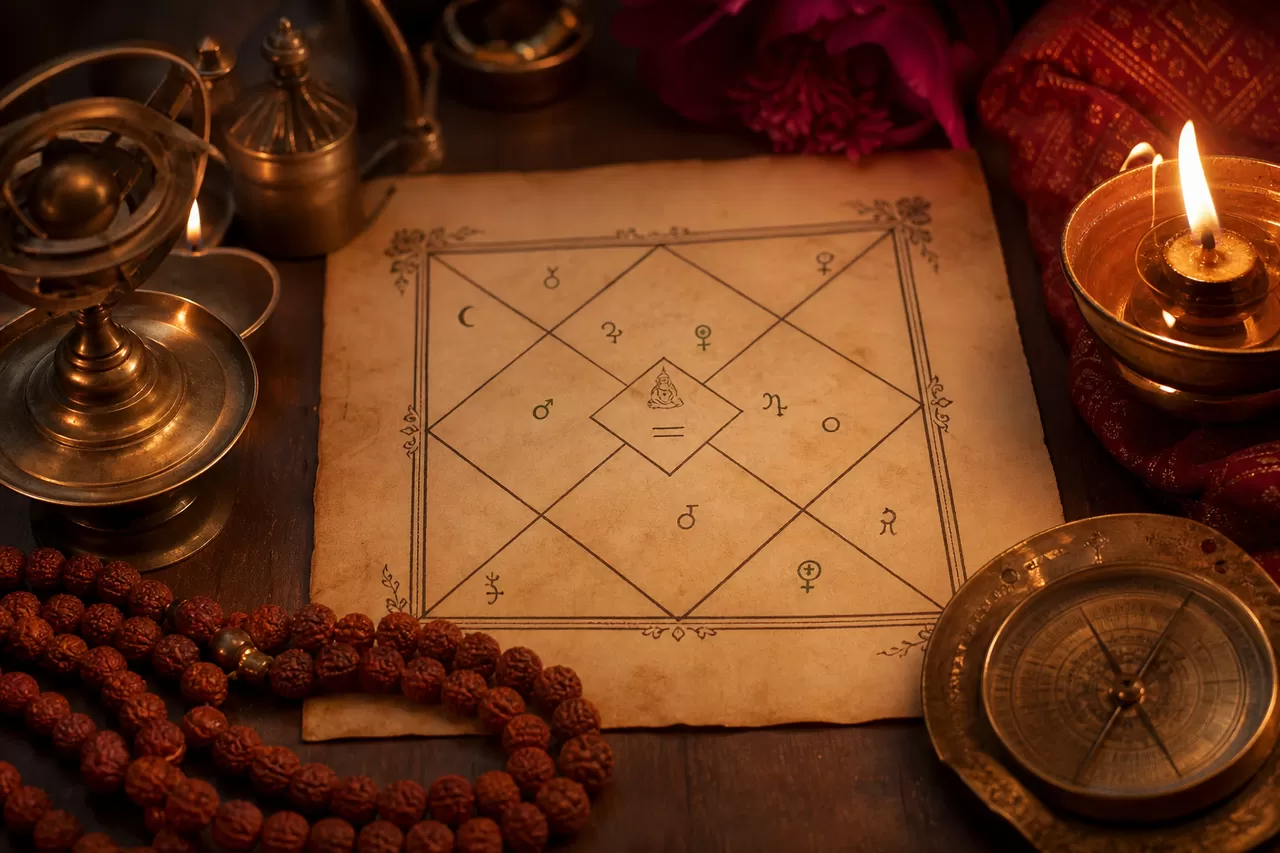
The assessment therefore comes first and it is genuinely open. Prolonged stress, untreated depression, grief, chronic illness and simple compounded misfortune produce this pattern faithfully. Where that is what the account and the chart suggest, that is what you will be told, and it is said as clearly to a family that has travelled a long way to hear otherwise.
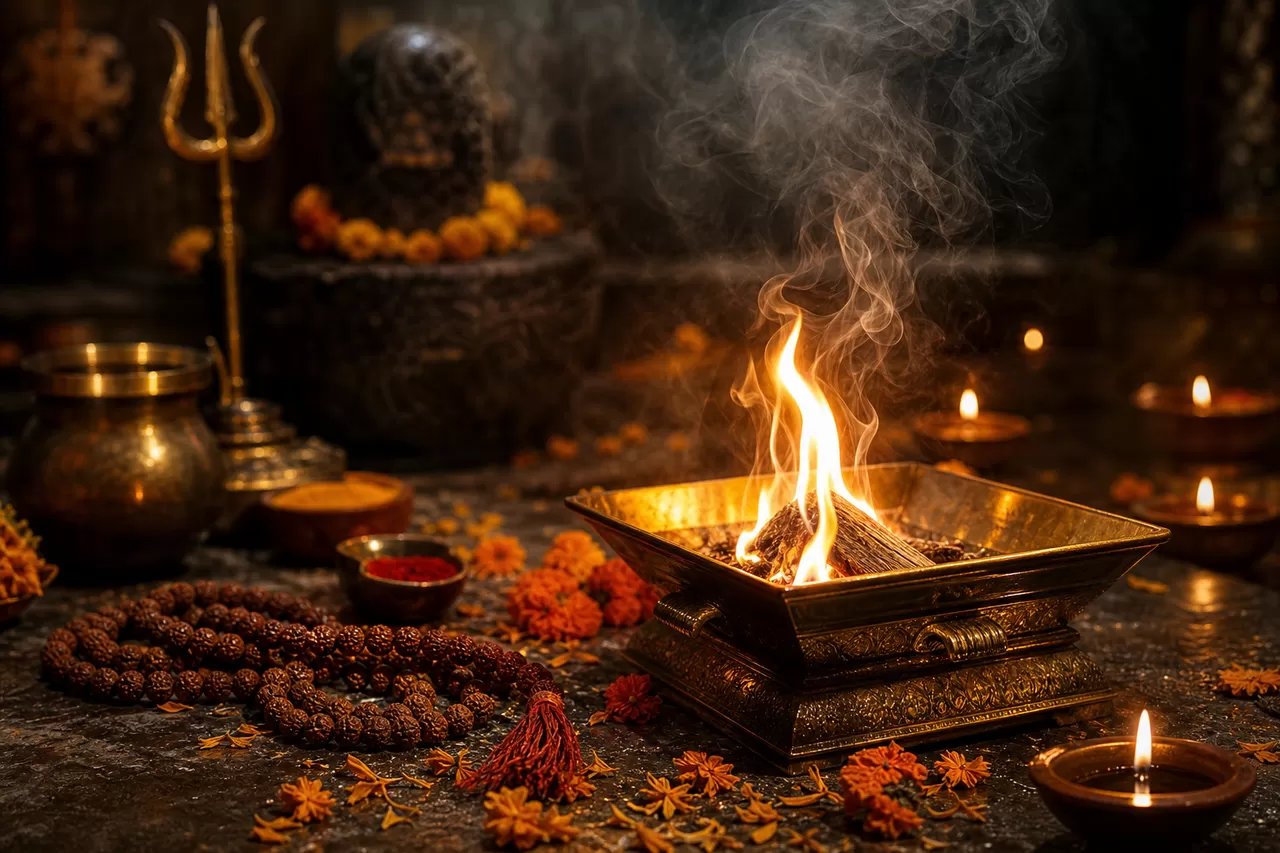
Where interference is genuinely indicated, the traditional work follows: cleansing rites for the person, cleansing of the home where the account points there, a havan where the situation warrants it, and a protective kavach afterwards. Nothing is directed at any other person, and no name is put to the suspicion.
A clear, caring path
How kala jadu is handled
The whole account is heard first, without interruption, then assessed against ordinary explanations before any conclusion is drawn. Clearing and protection follow only where something is genuinely found. Family certainty is not treated as evidence.
Listen to the whole account
What changed and when, who is affected, and what has already been tried or paid for elsewhere. The last of these matters more than people expect.
Assess before concluding
The account is weighed against your chart and against the ordinary explanations, and you are told honestly which the evidence supports.
Clear and protect where needed
Traditional cleansing rites, a havan where warranted, and a protective kavach with a daily practice to keep the household settled afterwards.
Do any of these sound familiar?
What families describe
Assessment first — many of these have entirely ordinary causes.
- A settled household turned tense after a particular event or visit
- One family member has been singled out by a run of misfortune
- Objects or marks found in the home that nobody can explain
- A marriage or engagement collapsed abruptly and inexplicably
- Persistent illness in the family with no medical explanation found
- Relatives have already named someone and want it confirmed
Your questions, answered
Kala Jadu Removal — your questions answered
Yes — kala jadu is simply the term used across South Asia for the same thing. Both pages describe the same work, written in the words different families use to search for it.
No, and this is where the most damage gets done. Confirming a suspicion on the strength of a reading has split families permanently. Master Vijay Ram will not name anyone, and will say so directly however much pressure the family brings.
It is a common story and there is no judgement in it. Begin again with an honest assessment. Sometimes there was nothing there to treat; sometimes the work was done poorly or protection was never established. Either way you are told which, without another large bill attached.
English, Hindi or Punjabi, whichever lets you speak most freely. In a difficult conversation, being able to use your own language matters more than usual.
Ask what specifically is being performed, over how long, and why it follows from your chart. Urgency, escalating sums, and a refusal to explain are the warning signs. No honest practitioner needs fear to keep you engaged.
Trusted remedies from Master Vijay Ram